
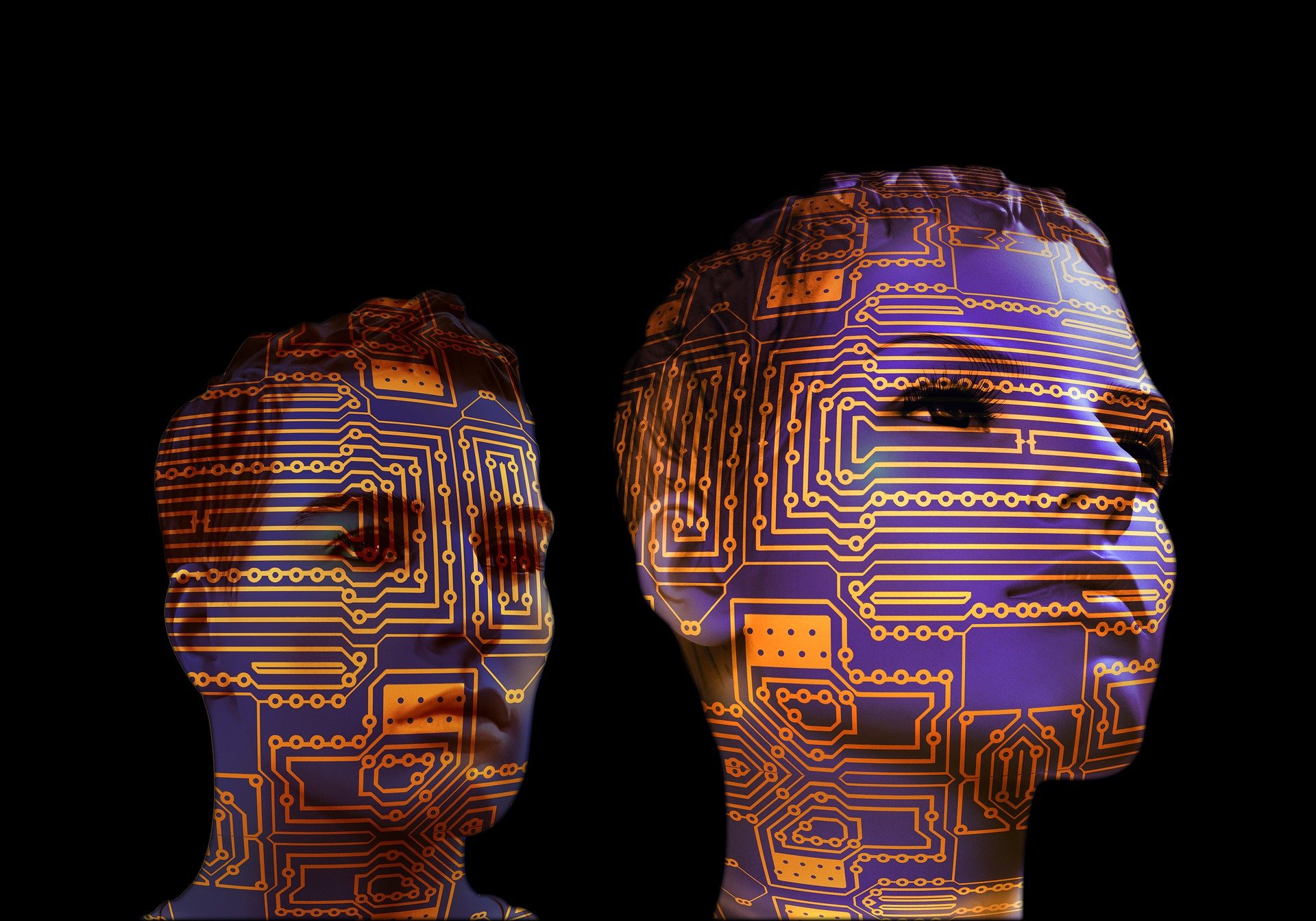
Emotional AI, also called emotional artificial intelligence, represents a major technological advancement. It can detect, interpret, process, and simulate human emotions.
For emerging countries, this technology offers strong potential. Indeed, it can transform key sectors and accelerate sustainable development. Therefore, understanding its applications is essential to shaping the future of these nations.
Unlike traditional AI, Emotional AI adds empathy to digital interactions. As a result, systems become more intuitive and responsive. This is especially important in countries where human resources are limited.
Moreover, by understanding user emotions, systems can adapt their responses. Consequently, technology becomes more accessible and inclusive. Emotional AI thus becomes a lever for growth and innovation.
Bridging Infrastructure and Human Capital Gaps
In many emerging economies, infrastructure remains limited. In addition, qualified professionals are often insufficient.
However, Emotional AI can help bridge these gaps. It provides scalable and intelligent support across various sectors.
For example, it can democratize access to services. It adapts experiences to emotional and cognitive needs. As a result, users develop greater trust in technology.
Furthermore, this personalized approach encourages adoption. Therefore, societies can become more resilient and equitable.
Improving Health and Well-being
In healthcare, Emotional AI supports early diagnosis of mental health conditions. For instance, it detects changes in voice tone or facial expressions. It can also analyze language patterns.
Consequently, it identifies mood shifts and psychological distress. This is crucial in regions with few mental health professionals.
Additionally, Emotional AI enables remote monitoring. It acts as a first screening tool and recommends appropriate interventions.
It also supports elderly individuals. For example, it detects falls or long inactivity periods. Moreover, it reduces loneliness through virtual companionship.
As a result, healthcare becomes more efficient and compassionate.
Beyond mental health, Emotional AI promotes preventive care. It analyzes emotional responses to stress and lifestyle habits. Therefore, it motivates patients to adopt healthier behaviors.
Revolutionizing Education and Training
Emotional AI personalizes learning experiences. It adapts content to each student’s pace and emotional state.
If a student shows frustration, the system adjusts automatically. For example, it may offer alternative explanations. It may also suggest different exercises.
As a result, learning remains engaging and effective.
Moreover, teachers benefit from precise emotional feedback. They can identify struggling students early. Therefore, interventions become more targeted and supportive.
In addition, Emotional AI supports students in remote areas. It adapts to diverse learning profiles. Consequently, education becomes more inclusive.
It also supports adult training. By assessing emotional readiness, it provides adaptive coaching. Thus, it strengthens economic development.
Developing Agriculture and Economic Empowerment
Agriculture remains central in many emerging economies. Emotional AI can analyze farmers’ stress levels. For instance, it detects emotional reactions to climate challenges.
Therefore, extension services can offer targeted training. These may include resilience strategies or financial education.
Furthermore, Emotional AI improves access to digital financial services. Interfaces become more intuitive and trustworthy. As a result, entrepreneurs adopt new technologies more easily.
In addition, small businesses can analyze customer sentiment. This helps refine products and improve services. Consequently, economic growth becomes more sustainable.
Ethical Challenges and Future Prospects
Data Privacy and Ethics
The use of emotional data raises serious concerns. Therefore, data protection must remain a priority.
Explicit consent is essential. Moreover, systems must ensure transparency and strong encryption. Without this, public trust may decline.
Thus, governments must establish clear regulatory frameworks.
Infrastructure and Skills Development
Reliable internet and stable electricity remain challenges. However, investment in digital infrastructure can solve this issue.
At the same time, local skill development is crucial. Training in AI, ethics, and data science is necessary.
Otherwise, countries risk becoming dependent on foreign technologies.
Ensuring Algorithmic Fairness
Algorithmic bias must be prevented. If datasets are not representative, discrimination may occur.
Therefore, continuous testing and auditing are required. Fairness must remain central to development strategies.
In summary, Emotional AI represents more than technological innovation. It offers emerging countries a real opportunity for transformation.
Indeed, it improves healthcare access. It personalizes education. It strengthens agriculture and local economies.
However, ethical and infrastructure challenges must be addressed. With proper regulation and training, these obstacles can be overcome.
Ultimately, Emotional AI can help build more resilient and inclusive societies. It may become a key pillar of sustainable development in the years ahead.